
Wu-Shen Integration Transformation™ Philosophy
Observation, Pattern Recognition, and Integration
Wu-Shen Integration Transformation™ uses observation, pattern recognition, nervous system awareness, and practical experience to understand the relationships between soul, mind, body, behavior, health, and life experience.
Philosophy & Principles
Wu-Shen Integration Transformation™ is a holistic approach to self-awareness, healing, and personal transformation rooted in Traditional Chinese Medicine, Five Element theory, meditation, and practical observation of human behavior and life transitions.
Rather than functioning as a rigid belief system, Wu-Shen Integration Transformation™ uses these principles as practical tools for observation and self-understanding.
The system explores patterns involving emotions, stress responses, behavior, relationships, physical health, perception, and personal growth.
The emphasis is not on adopting ideology, escaping reality, or pursuing perfection. The goal is greater clarity, self-awareness, emotional regulation, resilience, and the ability to navigate life more consciously during periods of change and uncertainty.
Wu-Shen Integration Transformation™ recognizes that transformation often occurs gradually through repeated observation, practice, self-reflection, and nervous system stabilization rather than through sudden insight alone.
Integration
Transformation occurs through the interaction of soul, mind, nervous system, body, and life experience. Insight alone is often insufficient if the nervous system remains overwhelmed or old patterns continue to dominate behavior and perception.
Wu-Shen Integration Transformation™ recognizes that meaningful change requires integration:
Soul • Mind • Regulation • Body • Life • Integration • Transformation
Integration Requires Transformation
As awareness moves through these levels, insight can gradually become behavior, experience, and lived reality. Transformation is not simply what we know, but what becomes embodied and integrated over time.
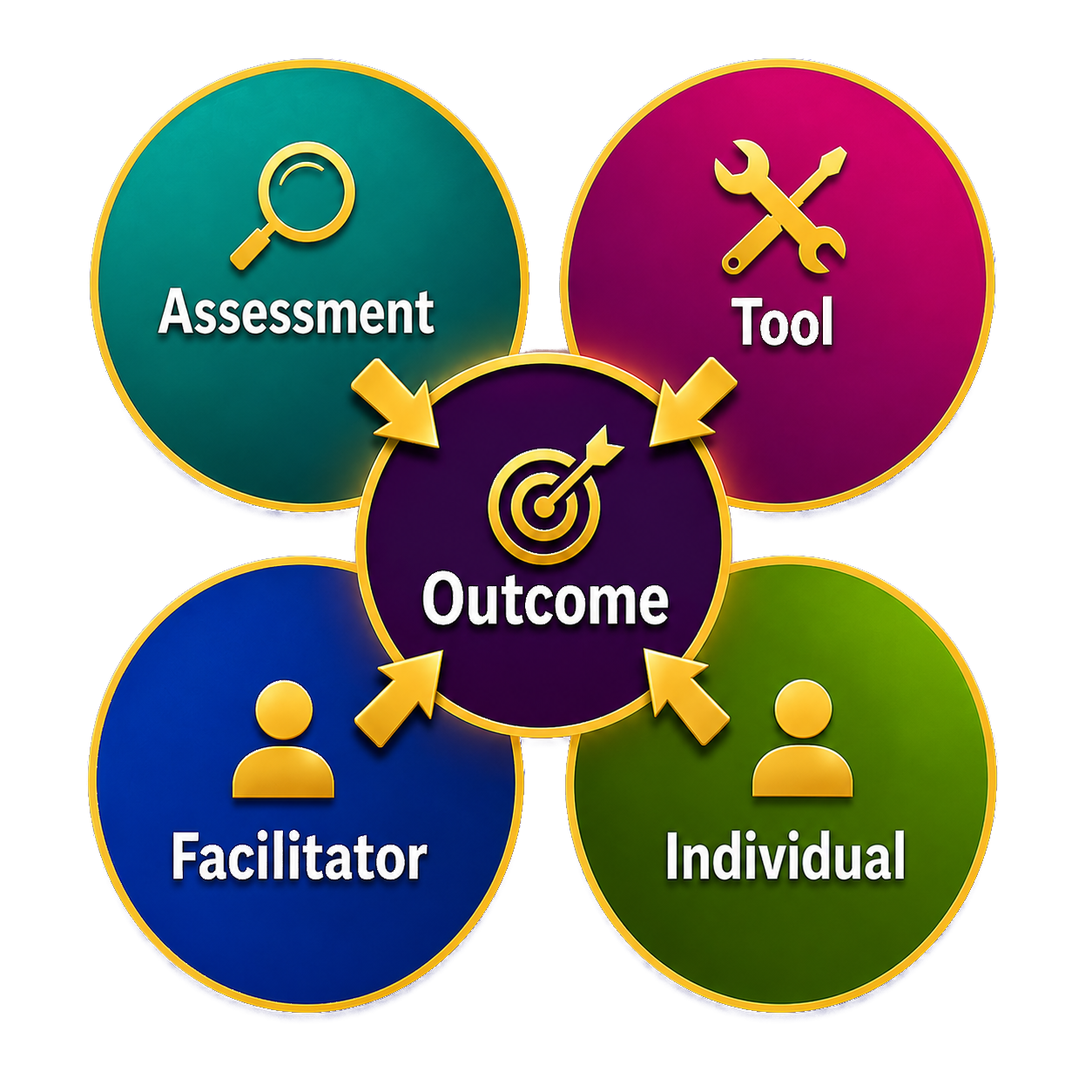
The free paper, The Wu-Shen Integration Transformation™ Philosophy, explains the ideas that form the foundation of this program and how Wu-Shen approaches observation, assessment, intervention, and integration.
It is available in the DBEA App. Use Unlock Code "788891" for access to this Free paper.
The Wu-Shen Integration Transformation™ PhilosophyPractical Emphasis:
- Self-awareness before reaction
- Regulation before intervention
- Assessment before technique
- Ethical self-care and appropriate boundaries
- Integration of Soul, Mind, Emotions, and Body
- Long-term stability rather than temporary intensity
- Practical application in everyday life
Different individuals require different approaches depending on personality, life history, stress patterns, emotional conditioning, health challenges, and stage of personal development. For this reason, Wu-Shen encourages observation, discernment, flexibility, and grounded integration rather than rigid formulas or one-size-fits-all systems.